From curb to truck
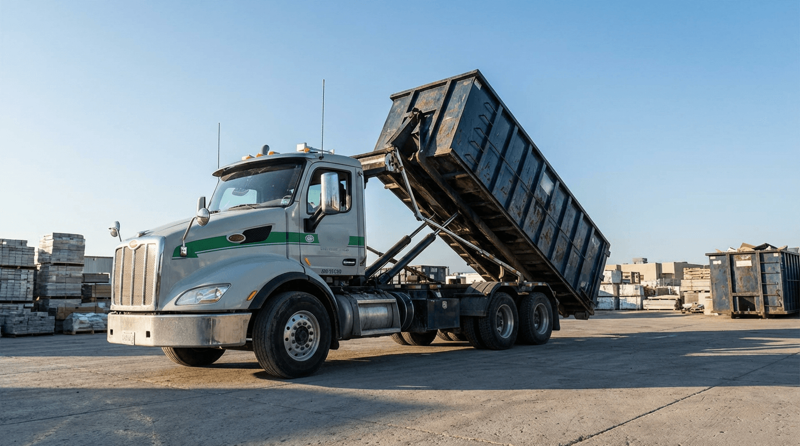
When your trash or recycling is picked up, it joins thousands of pounds of material from your neighborhood. Residential routes typically serve 600–800 stops per day. Drivers follow optimized sequences to minimize miles and fuel. Commercial routes may include dumpsters at businesses, construction sites, and multifamily buildings. The waste is compacted in the truck and transported to a transfer station or directly to a disposal facility.
Transfer stations: The middle step
Many haulers bring waste to transfer stations—facilities where loads are consolidated for long-haul transport. Trucks dump into large containers, which are then loaded onto rail cars or tractor-trailers for the trip to landfills or incinerators. Transfer stations reduce the number of long-distance trips, cutting fuel use and traffic. They also allow for sorting: recyclables may be pulled out, and hazardous items removed.
Landfills: Where most trash ends up
About half of U.S. municipal solid waste goes to landfills. Modern landfills are engineered with clay and plastic liners to prevent leachate from contaminating groundwater. Pipes collect leachate and landfill gas (mostly methane). Gas is often flared or used to generate electricity. Waste is compacted and covered daily with soil or alternative cover to control odors and pests. A typical landfill may operate for 30–50 years before closure.
Recycling facilities: A different path
Recyclables follow a separate path. Single-stream materials go to materials recovery facilities (MRFs), where conveyors, screens, magnets, and optical sorters separate paper, plastic, metal, and glass. Contamination reduces value—food residue, plastic bags, and non-recyclables can cause entire loads to be rejected. Clean, sorted materials are baled and sold to manufacturers. Paper becomes new paper; aluminum becomes new cans. See our waste management glossary for terms like MRF and single-stream.
Waste-to-energy: Burning for power
Roughly 12% of U.S. MSW is combusted in waste-to-energy (WTE) plants. High temperatures reduce volume by about 90% and destroy pathogens. Steam drives turbines to generate electricity. Ash is often used in construction or landfilled. WTE is controversial: proponents cite energy recovery and reduced landfill use; opponents worry about emissions and incentives against recycling.
Composting: Organic waste
Food scraps and yard waste can be composted instead of landfilled. Composting produces nutrient-rich soil amendment and avoids methane from anaerobic decomposition. Curbside organics programs are expanding in cities. Commercial food waste from restaurants and grocery stores is increasingly diverted to composting or anaerobic digestion.
Hazardous waste: Special handling
Batteries, paint, electronics, and chemicals require special disposal. They cannot go in regular trash. Household hazardous waste (HHW) programs collect these materials for safe treatment or recycling. Businesses must use licensed hazardous waste haulers. Improper disposal risks fines and environmental damage.
Construction and demolition debris
C&D waste—concrete, wood, metals, drywall—often goes to dedicated C&D landfills or recycling facilities. Concrete and asphalt can be crushed and reused. Wood may be chipped for mulch or fuel. Metals are recycled. Haulers use commercial waste estimate templates to quote C&D jobs.
How haulers optimize the journey
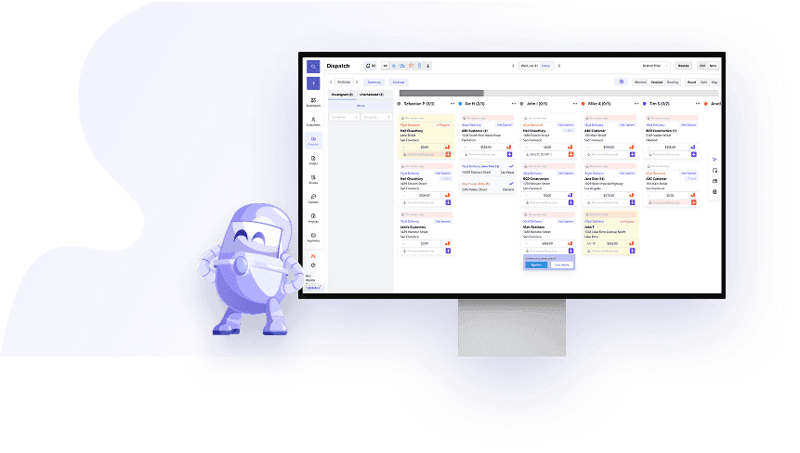
Efficient routing reduces fuel use and emissions. Software like TrashLab optimizes stop sequences and tracks container turns. Use our ROI calculator to estimate savings from route optimization. Better operations mean lower costs and more sustainable waste management.
Frequently asked questions
Where does most american trash go?
About 50% goes to landfills, 32% is recycled or composted, and 12% is combusted for energy recovery.
What happens at a materials recovery facility (mrf)?
MRFs sort mixed recyclables using conveyors, screens, magnets, and optical sorters. Materials are baled and sold to manufacturers.
Is waste-to-energy environmentally friendly?
WTE reduces landfill volume and generates electricity but produces emissions. It is one option among landfill, recycling, and composting.
How can i reduce my waste footprint?
Reduce, reuse, recycle. Compost food scraps. Choose products with less packaging. Support haulers that offer recycling and organics programs.
Next steps
Explore our free tools for waste haulers—ROI calculator, invoice templates, and more. Get in touch with TrashLab to improve your waste operations.