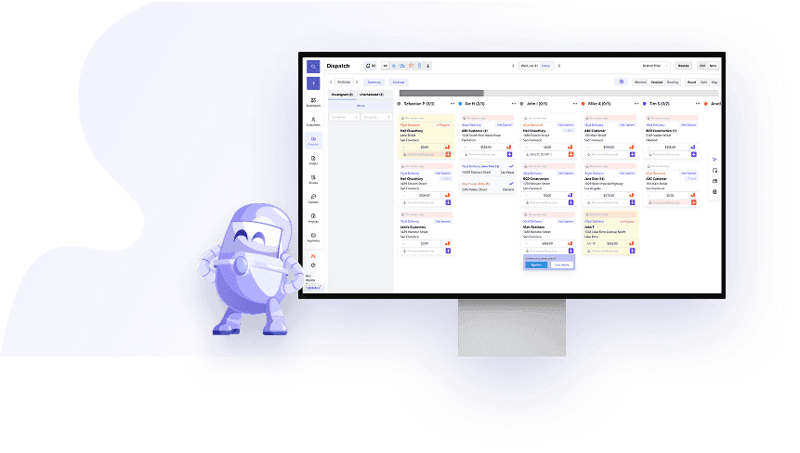
Margin view
Profitability comes from discipline, not just demand
Waste hauling is often durable, but it is not automatically high-margin. The winners know their route margin, their container turns, and the difference between busy work and profitable work.
What profitability really depends on
Waste hauling can absolutely be profitable, but profitability depends less on broad industry demand than on execution at the route, customer, and asset level. The market can be healthy and a specific operator can still lose money if pricing is weak, routes are thin, collections are slow, or containers stay out too long.
That is why the cleanest profitability conversation starts with unit economics. The route profitability calculator is useful because it forces the conversation away from aggregate revenue and toward contribution by route.
Typical profitability profile by operating model
| Model | Where margin comes from | Where it leaks |
|---|---|---|
| Roll-off and dumpster rental | Pricing discipline, container turns, and job selection | Slow dwell time, underpriced disposal, and deadhead miles |
| Commercial frontload | Recurring revenue, dense stops, and disciplined billing | Underpriced contracts, contamination disputes, and driver turnover |
| Residential collection | High density and repeatability | Labor pressure, franchise constraints, and overtime |
| Multi-line hauler | Cross-selling, back-office leverage, and route density | Complex dispatch, inconsistent pricing rules, and billing sprawl |
The operating levers that matter most
Pricing discipline
The first lever is pricing. Many operators are busier than they are profitable because they still quote too much work from habit. Pair the dumpster rental pricing calculator or roll-off pricing calculator with actual job-cost reviews so price is tied to disposal, labor, and asset use instead of competitor folklore.
Route density and route quality
A route that looks full can still be weak if stop spacing is poor, exceptions are constant, or revenue per driver hour is low. This is where the garbage route planner and the route density guide become strategic, not tactical.
Container turns and working capital
Roll-off operators often focus on revenue per job while ignoring revenue per container. If boxes sit out too long, you effectively need more capital to produce the same revenue. The container utilization calculator makes this visible in a way a simple P&L often does not.
Back-office control
Profit also leaks when service proof, disposal tickets, price rules, and invoicing are disconnected. That is why reliable waste hauler software matters. Better intake, dispatch, and billing do not just save admin time; they preserve revenue that would otherwise leak through disputes or missed charges.
How long does it take to become profitable?
The answer depends on line of business, capital structure, and how disciplined the operator is about pricing and route selection. A focused dumpster rental business can often reach breakeven faster than a broader hauling company because the model is simpler. A multi-line operator may take longer to tighten the system, but can eventually build a stronger moat.
If you are still building the model, pair this article with the startup costs guide and the business valuation calculator. One helps you understand capital needs; the other helps you see how cleaner operations can compound into enterprise value.
Frequently asked questions
Is a dumpster rental business profitable?
It can be, especially when pricing discipline and container turns stay tight. The biggest risks are underpriced disposal, slow turns, and weak scheduling control.
What margin should a waste hauler target?
The right target varies by line of business, but operators should watch route-level and job-level contribution, not just top-line growth or blended company margin.
What hurts profitability the fastest?
Underpriced work, poor route density, unbilled exceptions, slow collections, and idle assets tend to erode profit faster than teams expect.
Does software materially affect profitability?
Yes. Better intake, routing, dispatch visibility, and billing capture can meaningfully improve revenue quality and reduce manual waste across the business.
What to do next
Use the route profitability calculator to inspect your route margin, then pressure-test container turns with the container utilization calculator. After that, compare your capital and labor assumptions with the startup costs guide, the salary guide, and the broader industry statistics page.